
Birth injuries

At Tabor Lindsay & Associates, PLLC, we recognize that pregnancy and childbirth are typically joyous occasions for families, marking the thrilling arrival of a new member into their lives. However, amidst this celebration, it is important to remain vigilant, as medical errors during pregnancy and delivery can go unnoticed until they manifest as health complications in the newborn. According to HealthGrades, the annual incidence of birth injuries stands at approximately 28,000 cases, with potential consequences that may lead to lifelong physical impairments. If you suspect that your child or a loved one has suffered a birth injury due to medical negligence, we invite you to reach out to our experienced team in Charleston, West Virginia. We are dedicated to providing a thorough consultation to explore your situation and discuss potential paths to address the impact of these unfortunate events. Your family's well-being is our priority, and we are here to guide you through this challenging process. Contact us in Charleston, West Virginia, to schedule a consultation regarding any birth injury your child or a loved one’s child may have suffered.
Understanding Birth Injuries: A Professional Insight
Birth injuries refer to physical harm sustained by either the mother or the infant during pregnancy, labor, or delivery. These injuries can result in significant and lasting neurological impairments, particularly in infants, leading to a variety of physical and cognitive challenges. Neurological damage may arise from factors such as insufficient oxygen supply or trauma during the birthing process.
The consequences can include disabilities and psychological concerns that affect the child's development. It is important to note that families are often not informed of the specific causes of their child's injuries by healthcare providers, including doctors, midwives, and hospitals. When it is determined that neurological damage may have resulted from medical negligence during the birth process, it is crucial to seek expert guidance. At Tabor Lindsay & Associates, PLLC, our team, comprised of attorneys with medical backgrounds, is dedicated to uncovering the root causes of birth-related injuries. We specialize in cases involving Erb’s Palsy, Cerebral Palsy, and brain damage, and we are committed to ensuring that families receive the justice and support they deserve.
ERB’s Palsy
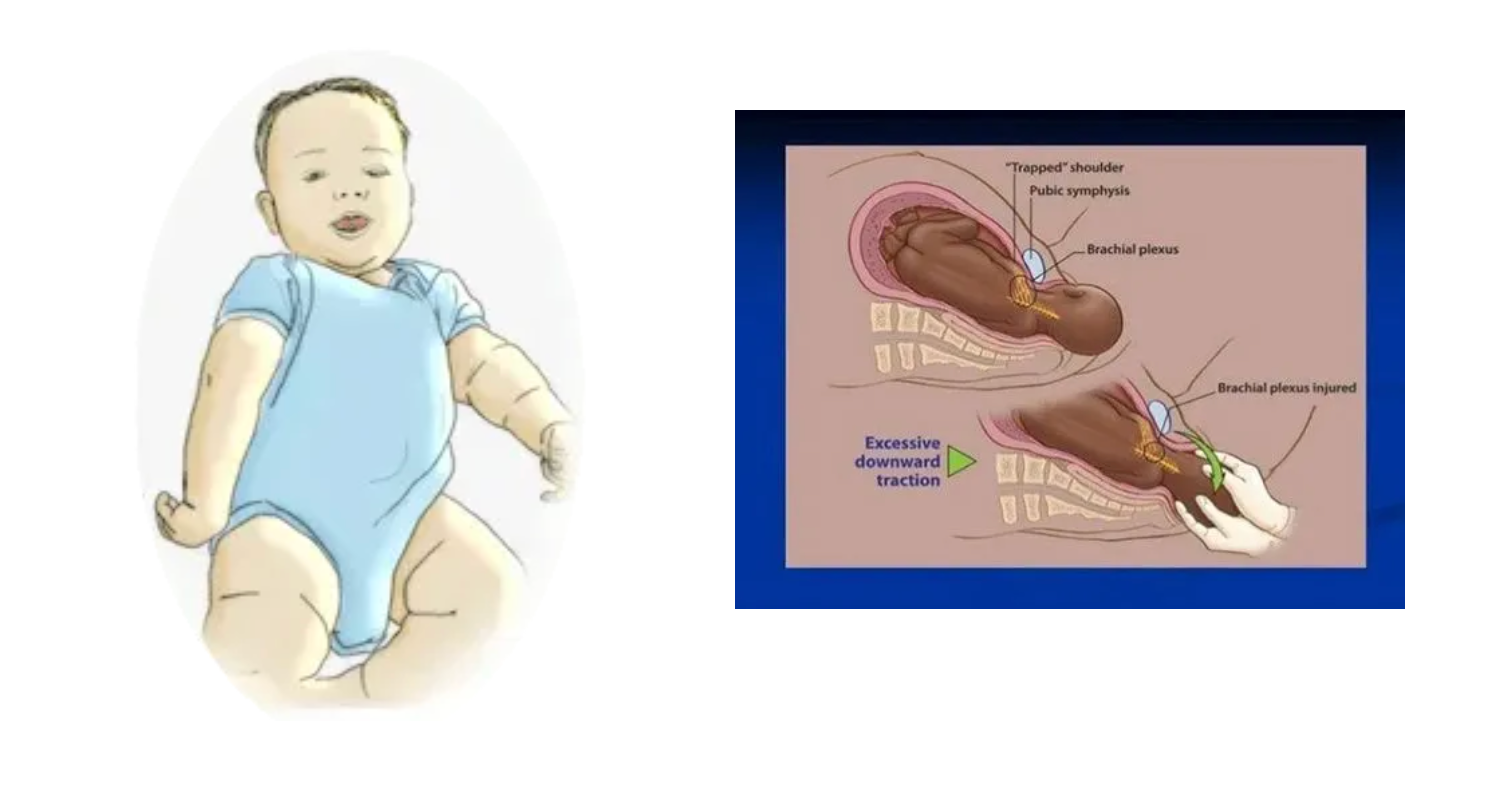
Erb's Palsy is a condition that can result from physical injury during delivery, with its impact varying widely from mild to severe based on the extent of nerve damage. This condition arises when the nerves in the upper arm of the infant are compromised, affecting approximately one to two out of every 1,000 births. Specifically, it is associated with lesions in the brachial plexus, a network of nerves located in the neck that controls movement in the arm, hand, and fingers. One common scenario that can lead to Erb's Palsy is shoulder dystocia, which may occur in challenging births, particularly when excessive traction is applied to the baby's shoulders.
Consequently, infants may exhibit limited mobility in the shoulder or upper arm, while still being able to move their fingers, which can give the appearance of paralysis in the affected limb. The degree of severity of the nerve injury plays a crucial role in determining the potential for recovery. Instances of excessive pulling during delivery, particularly with larger infants, increase the risk for developing this condition. It is essential to acknowledge that while Erb's Palsy can present significant challenges, proactive medical interventions and therapeutic strategies can enhance recovery outcomes for affected infants.
Results from a lesion in an area of the neck at the brachial plexus that gives movement to the arm, hand, and fingers
Often caused by shoulder dystocia during a difficult birth Infants are unable to move the shoulder or upper arm but can wiggle fingers It looks like the arm is paralyzed
The level of severity determines how well the infant recovers
Occurs during excessive pulling on the shoulders at delivery when the baby is disproportionately bigger than the birth canal
Identifying ERB’s Palsy in Your Child
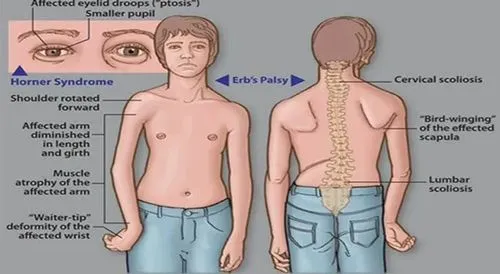
ERB’s Palsy is a form of paralysis affecting the arm, typically resulting from an injury to the brachial plexus—a crucial network of nerves extending from the spine to the hand. This condition may arise due to accidents or lapses in medical care during childbirth. To determine if your child may have ERB’s Palsy, look for specific signs and symptoms, which can include:
Limitation of movement in the affected arm, which may be observed as a limp posture held close to the body with the elbow bent.
A noticeable decrease in grip strength on the affected side. - Signs of partial or complete paralysis.
Loss of sensory and motor function in the upper arm.
Numbness in the arm.
Impaired development of circulatory, muscular, and nervous functions.
If you suspect your child may have ERB’s Palsy, seeking an evaluation from a medical professional is essential. Early intervention can significantly improve outcomes and support your child's development.
Cerebral Palsy (C.P.)
Cerebral Palsy (C.P.) is a comprehensive term used to describe a range of motor function impairments. This condition is characterized by its permanent and non-progressive nature, which stems from compromised muscle coordination—often referred to as spastic paralysis—resulting from brain injury sustained before or during the birthing process. There are instances where Cerebral Palsy may be attributed to medical negligence. Such circumstances can include:
C.P. Caused by Medical Negligence
Entanglement or umbilical cord
Entrapment in the birth canal (baby too large or improperly positioned)
Undetected to improperly treated infections during pregnancy
The baby was in fetal distress, but the medical staff did not perform
Cesarean Section Birth trauma
Lack of oxygen (hypoxia) Forceps assisted delivery
Unnecessary use of vacuum
Symptoms, Diagnosis, Treatment, and Pathology of C.P.
What Qualifies as a Birth Injury Under West Virginia Law?
A birth injury is distinct from a congenital birth defect. While birth defects typically develop during early pregnancy due to genetic or environmental factors, a birth injury is physical harm sustained by the infant or mother during labor, delivery, or immediately postpartum—often resulting from preventable medical oversight or mechanical trauma.
Under the West Virginia Medical Professional Liability Act (W. Va. Code § 55-7B), our legal team establishes liability by demonstrating that:
The medical team owed a duty of care to the mother and fetus.
The obstetrician, midwife, nurse, or hospital breached the recognized medical standard of care during prenatal management, labor, or delivery.
The failure directly caused preventable oxygen deprivation, physical trauma, or neurological injury.
The child or family suffered measurable economic and non-economic damages.
Risk Factors for Cerebral Palsy
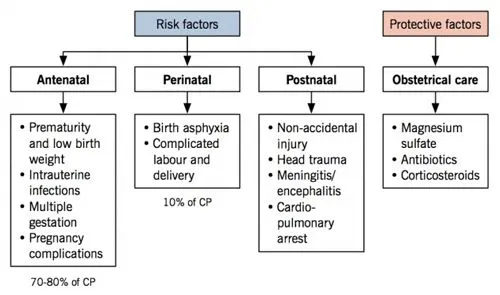
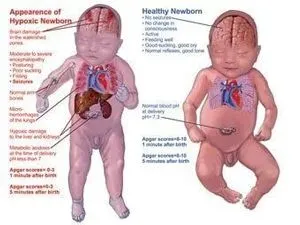
Risk Factors can be divided by period into antenatal, perinatal, and postnatal factors. The majority of the risk occurs in the antenatal period. Prematurity is a significant risk factor, predisposing to periventricular leukomalacia (PVL) development. Prudent obstetrical care, with the management of preeclampsia (magnesium), infections (antibiotics), and preterm labor (corticosteroids), can help reduce the risk of C.P.
PRACTICE AREAS
Expert Legal Services
Tailored for Your Needs

Medical Malpractice
When healthcare professionals fail to provide proper care, the results can be devastating. Our attorneys help victims of medical negligence pursue justice and compensation for injuries caused by errors, misdiagnoses, or improper treatment.

Birth Injury
A birth injury can change a family’s life forever. We stand beside parents and children affected by medical negligence during childbirth, helping them obtain the support and compensation they deserve for lifelong care and recovery.

Wrongful Death
When negligence leads to the loss of a loved one, families deserve answers and accountability. Our firm provides compassionate legal guidance to help you seek justice and financial relief during one of life’s most difficult times.

Personal Injury
From car accidents to slip-and-fall injuries, we fight to protect your rights and ensure you’re fairly compensated for medical bills, lost wages, and pain and suffering. You focus on healing — we’ll handle the rest.
Frequently Asked Questions
How do I know if my baby's condition was caused by a medical error?
Warning signs of labor and delivery negligence include an emergency C-section performed after hours of labor arrest, low APGAR scores (below 5 at 5 and 10 minutes), immediate resuscitation or intubation in the delivery room, infant seizures within the first 24–48 hours, emergency transfer to a Level III/IV NICU, or cooling therapy (therapeutic hypothermia) administered for brain swelling.
How do I know whether my child’s injury may have resulted from medical negligence?
Families are not always given a clear explanation for why a birth injury occurred. Tabor Lindsay & Associates emphasizes investigating the circumstances surrounding pregnancy, labor, and delivery to determine whether medical negligence may have played a role.
Why can an attorney with a medical background be helpful in a birth injury case?
Tabor Lindsay & Associates specifically highlights that its attorneys have medical backgrounds. That medical knowledge can help the firm understand the medical circumstances surrounding a birth-related injury and investigate whether the care provided may have contributed to the child’s condition.
How are birth injury settlements managed for a minor child?
In West Virginia, settlements involving minor children require formal circuit court approval to ensure the agreement is in the child's best interests. Funds are typically structured through secure annuities, court-supervised accounts, or Special Needs Trusts (SNT) that preserve your child's eligibility for Medicaid, SSI, and government support programs while providing lifelong funds for medical and living care.
Expertise in the Medical Field:
Your Trusted Legal Partners
Tabor Lindsay & Associates, PLLC stands with West Virginians facing the aftermath of medical negligence — when families feel overwhelmed, dismissed, or shut out by powerful institutions. We are doctor-lawyers.
That means we don’t just “review records.” We understand how medical decisions are made, where standards of care matter most, and how preventable mistakes can change a life. We’ll explain what happened in plain language, then fight relentlessly for truth, accountability, and justice.
RECENT NEWS FEED
Latest News & Articles
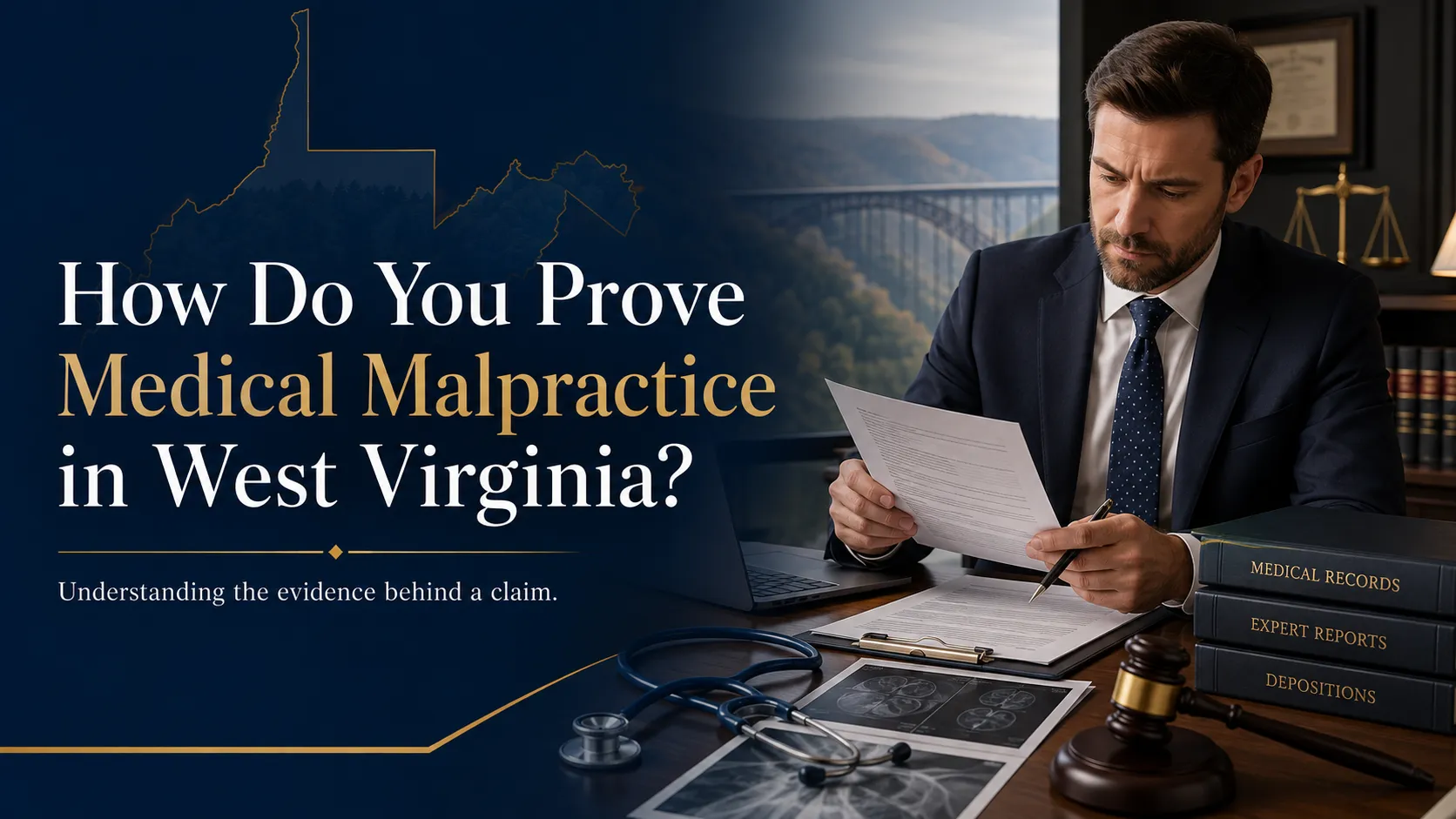
How Do You Prove Medical Malpractice in West Virginia?
How Do You Prove Medical Malpractice in West Virginia?
Believing that a doctor or hospital made a mistake is not enough to establish a medical malpractice claim. The evidence must show that the healthcare provider failed to meet the appropriate standard of care and that the failure caused an injury.
So, how do you prove medical malpractice in West Virginia?
A medical malpractice case generally requires evidence showing what the healthcare provider should have done, how the care fell below that standard, and how the mistake caused the patient harm. Medical records, expert opinions, diagnostic testing, treatment timelines, and documentation of the resulting injuries may all play an important role.
What Must Be Proven in a West Virginia Medical Malpractice Case?
Under West Virginia law, a medical malpractice claim generally centers on two key issues:
The healthcare provider failed to exercise the level of care, skill, and learning expected of a reasonably prudent provider under similar circumstances.
That failure was a proximate cause of the patient's injury or death.
Both elements matter. Evidence of a medical mistake alone may not establish malpractice if the mistake did not cause the patient's injury.
Establishing the Standard of Care

The standard of care refers to the level of treatment that a reasonably careful healthcare provider in the same profession or specialty would have provided under similar circumstances.
Determining that standard may depend on factors such as:
The patient's symptoms and medical history
The provider's specialty
Available test results and imaging
The patient's condition at the time
The treatment being provided
Accepted medical practices
The appropriate standard can vary significantly from one case to another. The medical decisions involved in an emergency room case, for example, may be very different from those involved in a scheduled surgery or childbirth.
Showing That the Provider Breached the Standard of Care
The evidence must then establish that the healthcare provider failed to meet the applicable standard.
Examples may include:
Failing to order appropriate testing
Missing significant symptoms or test results
Delaying necessary treatment
Performing a procedure improperly
Administering the wrong medication or dosage
Failing to properly monitor a patient
Failing to respond to a deteriorating condition
Not every mistake or complication constitutes malpractice. The question is whether the provider's conduct fell below the level of care reasonably expected under the circumstances.
Why Medical Records Are Important
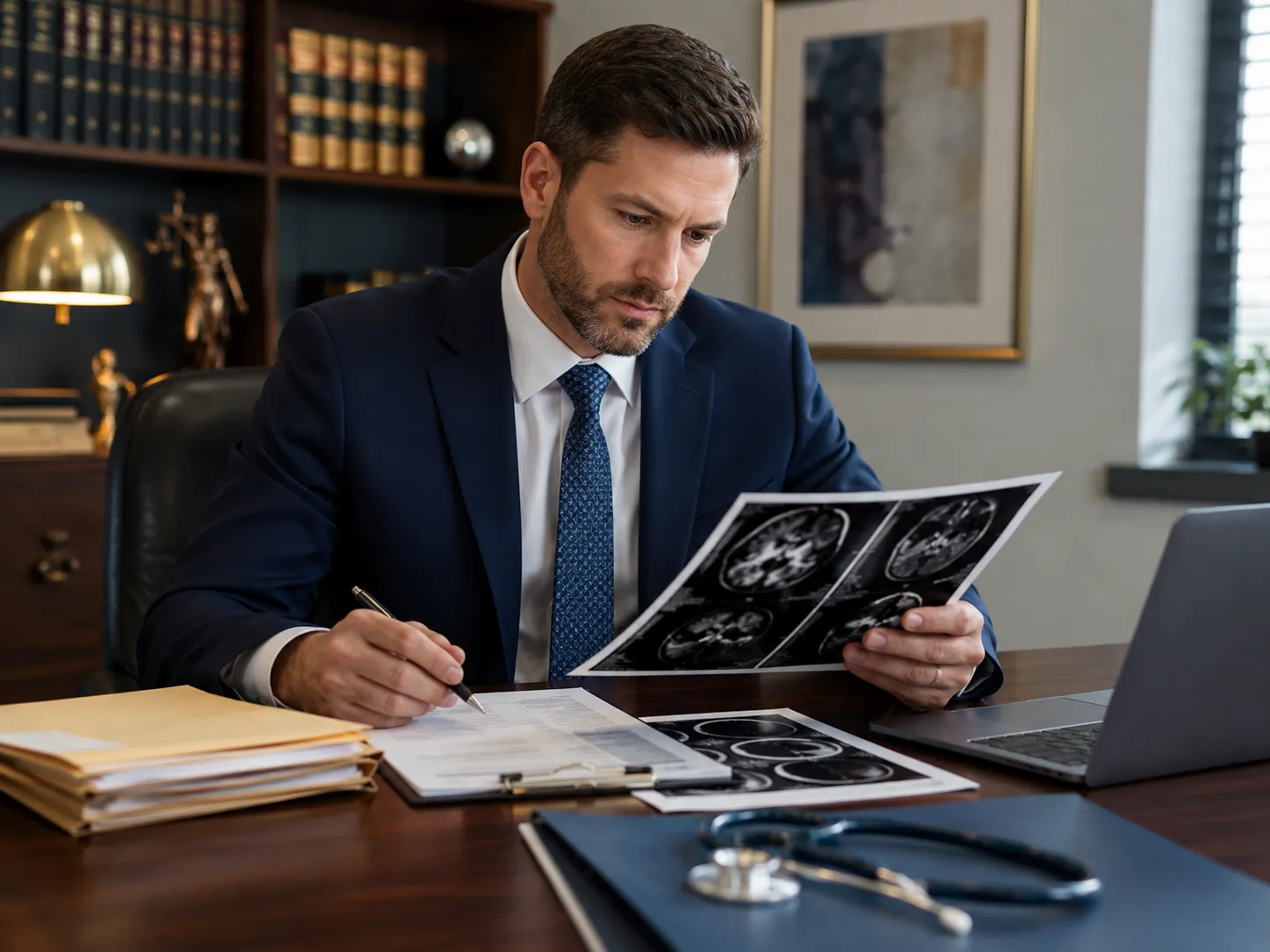
Medical records are often one of the most important sources of evidence in a malpractice case.
Records may include:
Physician and nursing notes
Laboratory results
Imaging and radiology reports
Medication records
Operative reports
Hospital charts
Fetal monitoring records
Discharge instructions
Follow-up treatment records
These documents can help establish what providers knew, when important information became available, and how they responded.
Reviewing the complete medical timeline can also reveal delays or inconsistencies that may not be obvious when individual records are viewed separately.
The Role of Medical Experts
Medical malpractice cases frequently involve medical expert testimony.
A qualified expert may review the records and address questions such as:
What standard of care applied?
Did the healthcare provider violate that standard?
What should the provider have done differently?
Did the violation contribute to the patient's injury?
Expert testimony can be particularly important because malpractice cases often involve medical questions that cannot be resolved from the records alone.
Proving That the Medical Error Caused the Injury
Causation is another essential part of proving medical malpractice.
The evidence must connect the healthcare provider's failure to the patient's injury.
For example, imagine that a physician failed to diagnose a medical condition promptly. Establishing the delay alone may not be enough. The evidence may also need to show that an earlier diagnosis and appropriate treatment would likely have changed the patient's outcome.
This issue can become especially complicated when the patient already had a serious illness or injury before the alleged malpractice occurred.
Medical experts, diagnostic testing, treatment records, and subsequent medical care may all be used to determine whether negligent treatment caused additional harm.
What Evidence Can Help Prove Medical Malpractice?
Several forms of evidence may be relevant depending on the circumstances of the case.
Medical Records
Records document symptoms, diagnoses, treatment decisions, medications, procedures, and changes in the patient's condition.
Diagnostic Testing
X-rays, MRIs, CT scans, laboratory tests, pathology results, and other diagnostic information can provide objective evidence concerning the patient's condition.
Expert Medical Opinions
Qualified medical professionals may evaluate whether the provider met the applicable standard of care and whether a departure from that standard caused harm.
Witness Testimony
Patients, family members, healthcare professionals, and other witnesses may provide information about symptoms, conversations, treatment, or changes in the patient's condition.
Evidence of the Injury
Medical bills, additional treatment records, employment records, rehabilitation needs, and other documentation may help establish the extent of the patient's damages.
Does West Virginia Require a Certificate of Merit?
West Virginia has specific requirements that generally apply before a medical malpractice lawsuit is filed.
A claimant generally must provide the healthcare provider with advance notice of the claim. A screening certificate of merit from a qualified healthcare provider is also commonly required, although exceptions and additional procedures can apply depending on the circumstances.
The certificate typically addresses the applicable standard of care, how the provider allegedly violated that standard, and how the violation caused the patient's injury.
These requirements make medical malpractice cases procedurally different from many ordinary personal injury claims.
Why Medical Malpractice Can Be Difficult to Prove
Medical malpractice cases can become complicated because a poor medical result does not automatically indicate negligence.
Patients may experience complications even when appropriate treatment was provided. Multiple doctors, nurses, specialists, hospitals, or other providers may also have participated in the patient's care.
The key is determining what actually happened medically and whether the evidence shows that negligent care caused the injury.
How Tabor Lindsay & Associates Evaluates Medical Malpractice Cases

Medical malpractice cases require careful review of both the medicine and the law.
Tabor Lindsay & Associates, PLLC brings those perspectives together through its doctor-lawyer team.
Dr. Pamela Tabor Lindsay has medical training as an RN and M.D., while Dr. Richard Lindsay practiced emergency medicine for more than 25 years. Their medical backgrounds allow the firm to examine medical records, treatment decisions, testing, and timelines with an understanding of the clinical issues involved.
Speak With a Medical Malpractice Attorney in Charleston, WV
Proving medical malpractice requires more than showing that something went wrong during treatment. The evidence must establish the appropriate standard of care, demonstrate how the healthcare provider failed to meet that standard, and connect that failure to the patient's injury.
If you believe negligent medical care caused an injury to you or someone you love, contact Tabor Lindsay & Associates for a free case evaluation.
**Request a Free Case Evaluation** 304.344.5155

CONTACT US NOW
Questions?
Contact us today
Request a Free Case Evaluation!

CONTACT
We have the expertise to understand your case and win. Contact us for a free consultation.
EXPLORE
LAW
OUR ATTORNEYS
Copyright 2026 by Tabor Lindsay
Copyright 2026 by Tabor Lindsay
