
Personal Injury Claims
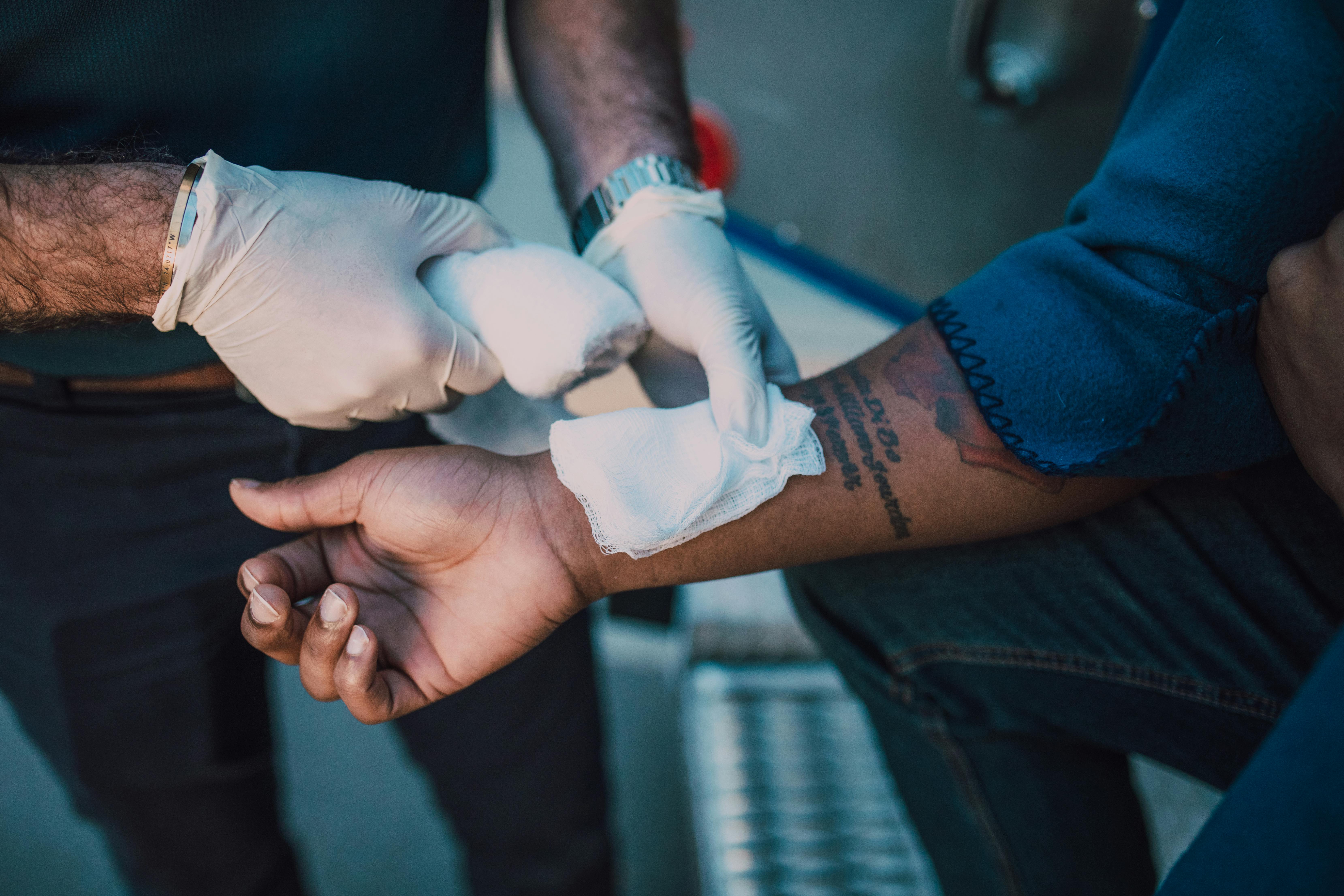
At Tabor Lindsay & Associates, PLLC, we pride ourselves on our unique expertise, combining legal acumen with a profound understanding of medical intricacies. Our team, comprised of both skilled attorneys and medical professionals, recognizes the complexities surrounding injuries—physically, emotionally, and financially. We are acutely aware that a serious accident or injury can profoundly alter one’s life, affecting not only the individual but also their loved ones Catastrophic injuries present significant challenges, and our compassionate medical-legal team is dedicated to navigating the legal complexities on your behalf. We bring a distinctive insight into the medical foundation of your injuries, ensuring that your case is approached with the utmost care and understanding, regardless of your location within West Virginia If you or a family member has experienced a personal injury or encountered issues related to product liability, we invite you to contact us in Charleston, West Virginia, to schedule a consultation regarding any personal injury or product liability case you or a loved one may have suffered.
Personal Injury Claims: Understanding Your Rights and Options
A personal injury claim arises when an individual suffers harm as a result of another party's negligence, recklessness, or intentional misconduct. Negligence refers to the failure to exercise the level of care that a reasonable person would apply in similar circumstances. Moreover, when an individual displays a reckless disregard for the safety of others, this can lead to punitive damages being awarded in a personal injury case. Serious injuries can occur unexpectedly and result in life-altering consequences, such as limb loss.
According to data from the CDC, approximately 2 million individuals live with the aftermath of losing a limb due to such traumatic injuries, often caused by someone else’s negligence. These injuries frequently require long-term medical care and support. Personal injury can stem from various forms of critical trauma, including motor vehicle accidents, medical errors, and other negligent acts.
Through personal injury claims, injured parties are given the opportunity to seek compensation for a wide range of damages they have suffered, including:
Pain and suffering
Disability Disfigurement
Medical expenses
Lost wages
Our commitment is to provide you with the professional guidance you need to navigate the complexities of personal injury claims and to ensure you receive the compensation you deserve. We focus on solutions tailored to your specific situation to help you move forward with your life.
Auto Accidents: Understanding the Impact and Pursuing Justice
Auto accidents remain one of the primary causes of serious injuries and fatalities on the roads today. Many of these incidents could have been prevented if drivers had adhered to reasonable safety precautions. The consequences of car accidents can range from temporary injuries to permanent disabilities or even loss of life. At our firm, we employ a dedicated team of medical professionals, including experienced physicians and nurses, who assess the medical ramifications of these injuries. Their expertise allows us to accurately evaluate the extent of damages and determine appropriate compensation values. Concurrently, our skilled attorneys focus on establishing liability by proving negligence on the part of the responsible driver. We are committed to advocating for the rights of our clients and ensuring they receive the justice and compensation they deserve.
Product Liability: Ensuring Consumer Safety in Everyday Products
In our daily lives, we rely on countless consumer products, placing our trust in their safety and efficacy. However, there are instances where this trust is misplaced, resulting in potentially serious injuries. A product liability claim can occur when a defective and unreasonably dangerous product is made available to the public, leading to personal injury or even fatality. Our specialization lies in addressing product liability concerns related to medical devices, including but not limited to hip replacements, breast implants, and mesh implants. It is imperative that these products are not only safe for their intended use but also for any reasonably foreseeable uses. Moreover, even in cases where a product is not inherently defective or unreasonably dangerous, injured parties may pursue recovery if there is a failure to provide adequate warnings regarding potential risks. The reality is that dangerous and defective products can be found in many facets of our lives. Our commitment is to advocate for those affected and ensure that accountability is upheld in the marketplace.
PRACTICE AREAS
Expert Legal Services
Tailored for Your Needs

Medical Malpractice
When healthcare professionals fail to provide proper care, the results can be devastating. Our attorneys help victims of medical negligence pursue justice and compensation for injuries caused by errors, misdiagnoses, or improper treatment.
Birth Injury
A birth injury can change a family’s life forever. We stand beside parents and children affected by medical negligence during childbirth, helping them obtain the support and compensation they deserve for lifelong care and recovery.

Wrongful Death
When negligence leads to the loss of a loved one, families deserve answers and accountability. Our firm provides compassionate legal guidance to help you seek justice and financial relief during one of life’s most difficult times.

Personal Injury
From car accidents to slip-and-fall injuries, we fight to protect your rights and ensure you’re fairly compensated for medical bills, lost wages, and pain and suffering. You focus on healing — we’ll handle the rest.
Expertise in the Medical Field:
Your Trusted Legal Partners
Tabor Lindsay & Associates, PLLC stands with West Virginians facing the aftermath of medical negligence — when families feel overwhelmed, dismissed, or shut out by powerful institutions. We are doctor-lawyers.
That means we don’t just “review records.” We understand how medical decisions are made, where standards of care matter most, and how preventable mistakes can change a life. We’ll explain what happened in plain language, then fight relentlessly for truth, accountability, and justice.
RECENT NEWS FEED
Latest News & Articles
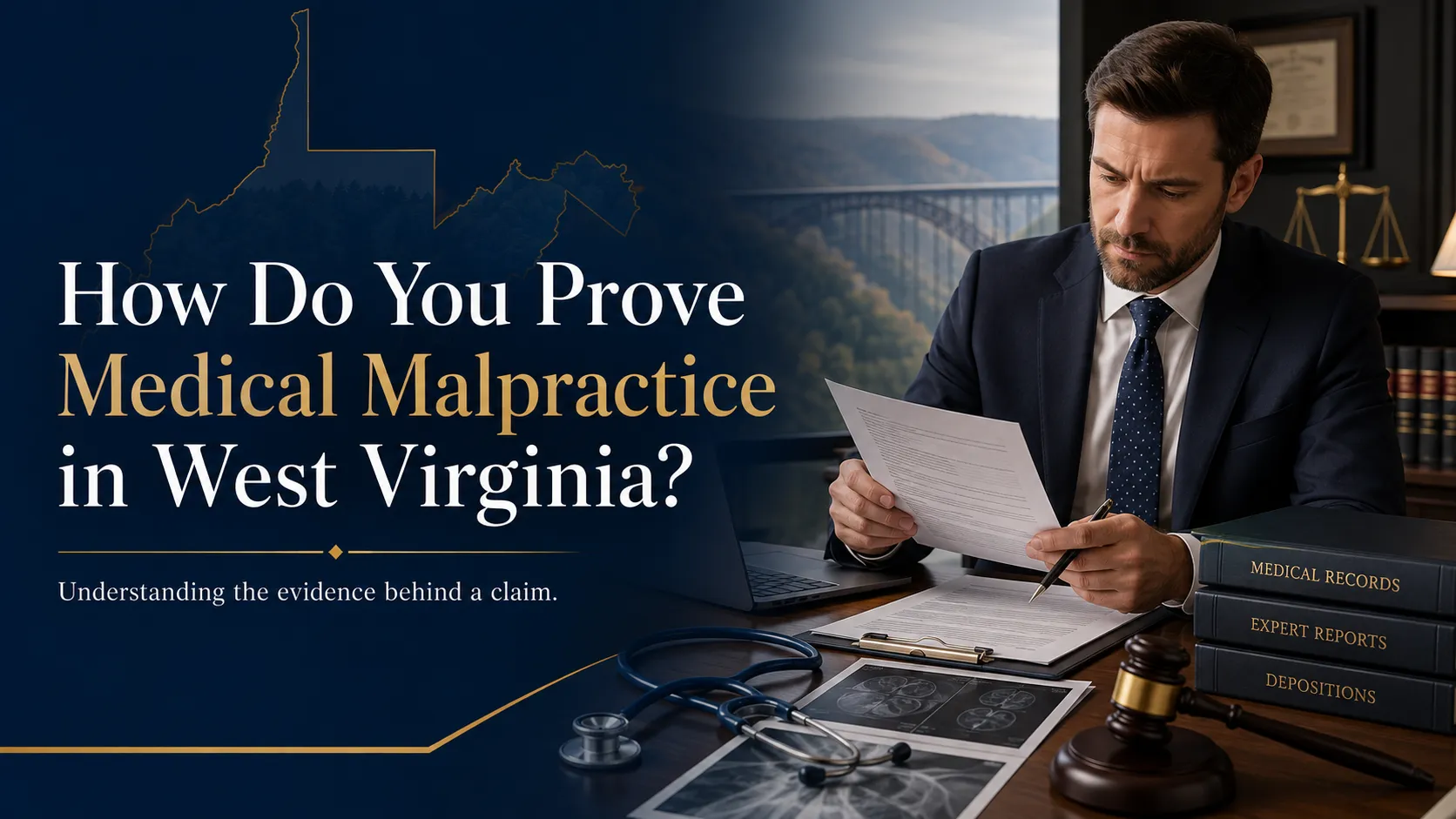
How Do You Prove Medical Malpractice in West Virginia?
How Do You Prove Medical Malpractice in West Virginia?
Believing that a doctor or hospital made a mistake is not enough to establish a medical malpractice claim. The evidence must show that the healthcare provider failed to meet the appropriate standard of care and that the failure caused an injury.
So, how do you prove medical malpractice in West Virginia?
A medical malpractice case generally requires evidence showing what the healthcare provider should have done, how the care fell below that standard, and how the mistake caused the patient harm. Medical records, expert opinions, diagnostic testing, treatment timelines, and documentation of the resulting injuries may all play an important role.
What Must Be Proven in a West Virginia Medical Malpractice Case?
Under West Virginia law, a medical malpractice claim generally centers on two key issues:
The healthcare provider failed to exercise the level of care, skill, and learning expected of a reasonably prudent provider under similar circumstances.
That failure was a proximate cause of the patient's injury or death.
Both elements matter. Evidence of a medical mistake alone may not establish malpractice if the mistake did not cause the patient's injury.
Establishing the Standard of Care

The standard of care refers to the level of treatment that a reasonably careful healthcare provider in the same profession or specialty would have provided under similar circumstances.
Determining that standard may depend on factors such as:
The patient's symptoms and medical history
The provider's specialty
Available test results and imaging
The patient's condition at the time
The treatment being provided
Accepted medical practices
The appropriate standard can vary significantly from one case to another. The medical decisions involved in an emergency room case, for example, may be very different from those involved in a scheduled surgery or childbirth.
Showing That the Provider Breached the Standard of Care
The evidence must then establish that the healthcare provider failed to meet the applicable standard.
Examples may include:
Failing to order appropriate testing
Missing significant symptoms or test results
Delaying necessary treatment
Performing a procedure improperly
Administering the wrong medication or dosage
Failing to properly monitor a patient
Failing to respond to a deteriorating condition
Not every mistake or complication constitutes malpractice. The question is whether the provider's conduct fell below the level of care reasonably expected under the circumstances.
Why Medical Records Are Important
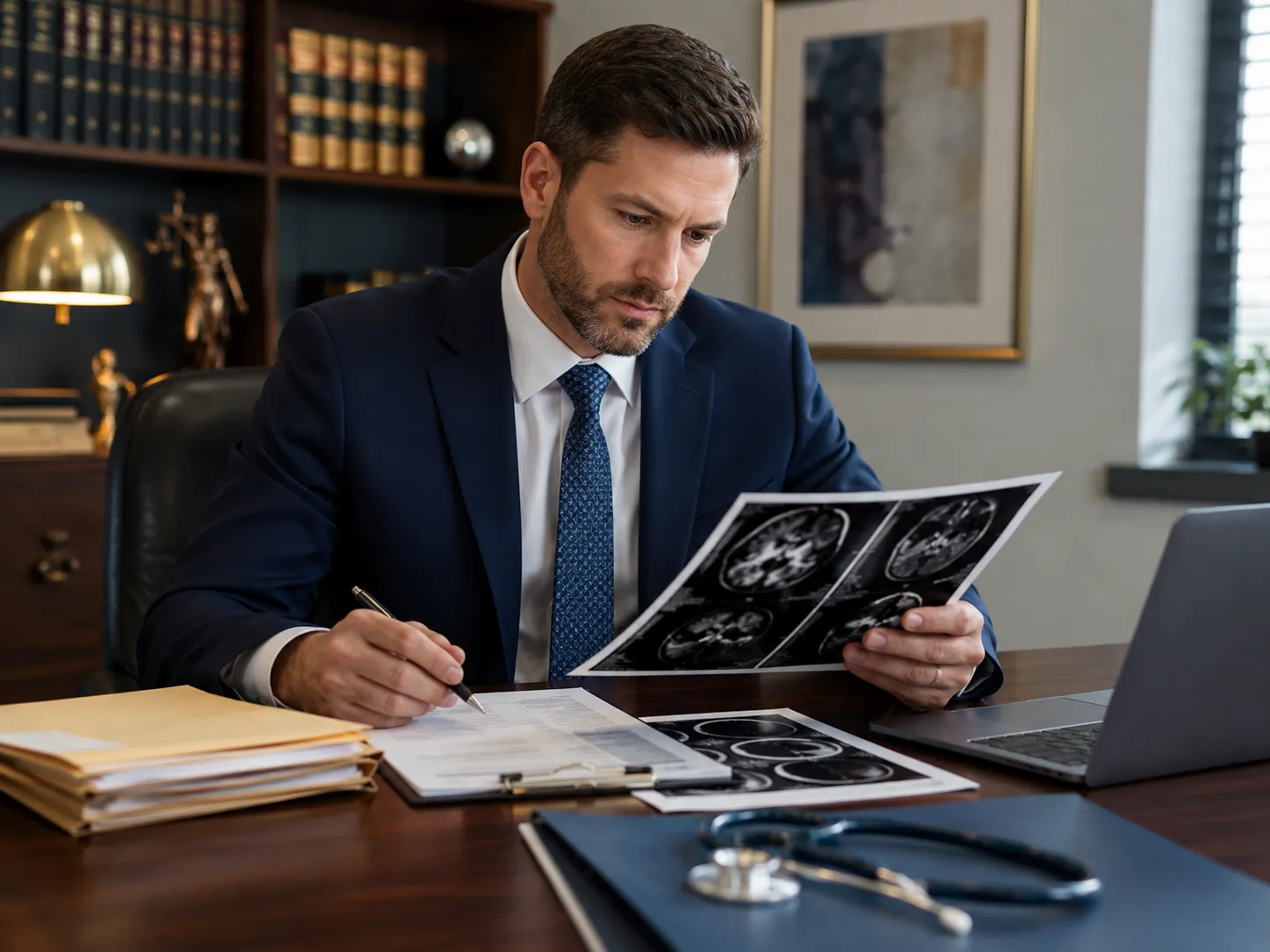
Medical records are often one of the most important sources of evidence in a malpractice case.
Records may include:
Physician and nursing notes
Laboratory results
Imaging and radiology reports
Medication records
Operative reports
Hospital charts
Fetal monitoring records
Discharge instructions
Follow-up treatment records
These documents can help establish what providers knew, when important information became available, and how they responded.
Reviewing the complete medical timeline can also reveal delays or inconsistencies that may not be obvious when individual records are viewed separately.
The Role of Medical Experts
Medical malpractice cases frequently involve medical expert testimony.
A qualified expert may review the records and address questions such as:
What standard of care applied?
Did the healthcare provider violate that standard?
What should the provider have done differently?
Did the violation contribute to the patient's injury?
Expert testimony can be particularly important because malpractice cases often involve medical questions that cannot be resolved from the records alone.
Proving That the Medical Error Caused the Injury
Causation is another essential part of proving medical malpractice.
The evidence must connect the healthcare provider's failure to the patient's injury.
For example, imagine that a physician failed to diagnose a medical condition promptly. Establishing the delay alone may not be enough. The evidence may also need to show that an earlier diagnosis and appropriate treatment would likely have changed the patient's outcome.
This issue can become especially complicated when the patient already had a serious illness or injury before the alleged malpractice occurred.
Medical experts, diagnostic testing, treatment records, and subsequent medical care may all be used to determine whether negligent treatment caused additional harm.
What Evidence Can Help Prove Medical Malpractice?
Several forms of evidence may be relevant depending on the circumstances of the case.
Medical Records
Records document symptoms, diagnoses, treatment decisions, medications, procedures, and changes in the patient's condition.
Diagnostic Testing
X-rays, MRIs, CT scans, laboratory tests, pathology results, and other diagnostic information can provide objective evidence concerning the patient's condition.
Expert Medical Opinions
Qualified medical professionals may evaluate whether the provider met the applicable standard of care and whether a departure from that standard caused harm.
Witness Testimony
Patients, family members, healthcare professionals, and other witnesses may provide information about symptoms, conversations, treatment, or changes in the patient's condition.
Evidence of the Injury
Medical bills, additional treatment records, employment records, rehabilitation needs, and other documentation may help establish the extent of the patient's damages.
Does West Virginia Require a Certificate of Merit?
West Virginia has specific requirements that generally apply before a medical malpractice lawsuit is filed.
A claimant generally must provide the healthcare provider with advance notice of the claim. A screening certificate of merit from a qualified healthcare provider is also commonly required, although exceptions and additional procedures can apply depending on the circumstances.
The certificate typically addresses the applicable standard of care, how the provider allegedly violated that standard, and how the violation caused the patient's injury.
These requirements make medical malpractice cases procedurally different from many ordinary personal injury claims.
Why Medical Malpractice Can Be Difficult to Prove
Medical malpractice cases can become complicated because a poor medical result does not automatically indicate negligence.
Patients may experience complications even when appropriate treatment was provided. Multiple doctors, nurses, specialists, hospitals, or other providers may also have participated in the patient's care.
The key is determining what actually happened medically and whether the evidence shows that negligent care caused the injury.
How Tabor Lindsay & Associates Evaluates Medical Malpractice Cases
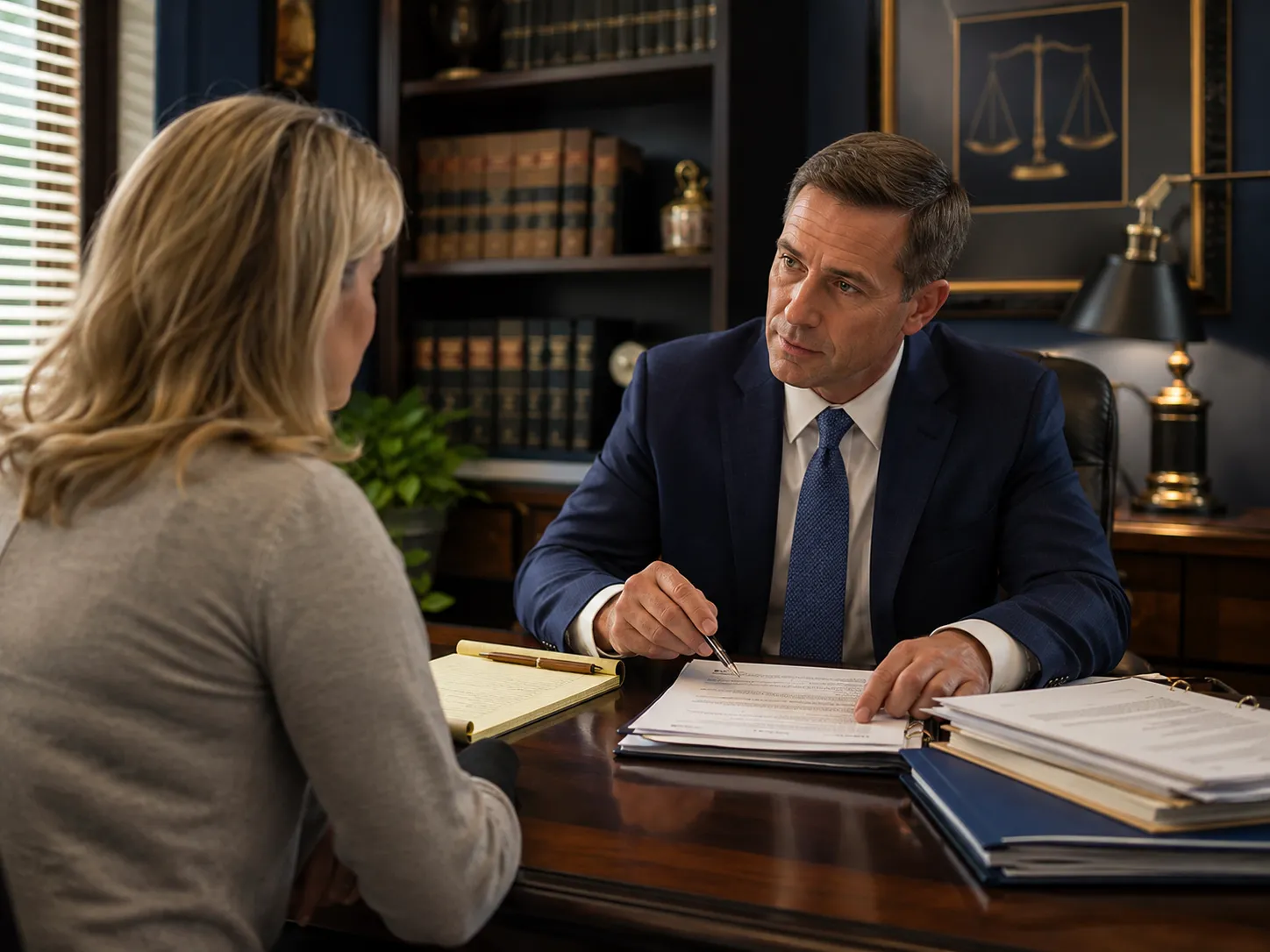
Medical malpractice cases require careful review of both the medicine and the law.
Tabor Lindsay & Associates, PLLC brings those perspectives together through its doctor-lawyer team.
Dr. Pamela Tabor Lindsay has medical training as an RN and M.D., while Dr. Richard Lindsay practiced emergency medicine for more than 25 years. Their medical backgrounds allow the firm to examine medical records, treatment decisions, testing, and timelines with an understanding of the clinical issues involved.
Speak With a Medical Malpractice Attorney in Charleston, WV
Proving medical malpractice requires more than showing that something went wrong during treatment. The evidence must establish the appropriate standard of care, demonstrate how the healthcare provider failed to meet that standard, and connect that failure to the patient's injury.
If you believe negligent medical care caused an injury to you or someone you love, contact Tabor Lindsay & Associates for a free case evaluation.
**Request a Free Case Evaluation** 304.344.5155

CONTACT US NOW
Questions?
Contact us today
Request a Free Case Evaluation!

CONTACT
We have the expertise to understand your case and win. Contact us for a free consultation.
EXPLORE
LAW
OUR ATTORNEYS
Copyright 2026 by Tabor Lindsay
Copyright 2026 by Tabor Lindsay
We Can Help with Wrongful Death Cases!
